How to Settle an Auto Accident Claim Without a Lawyer
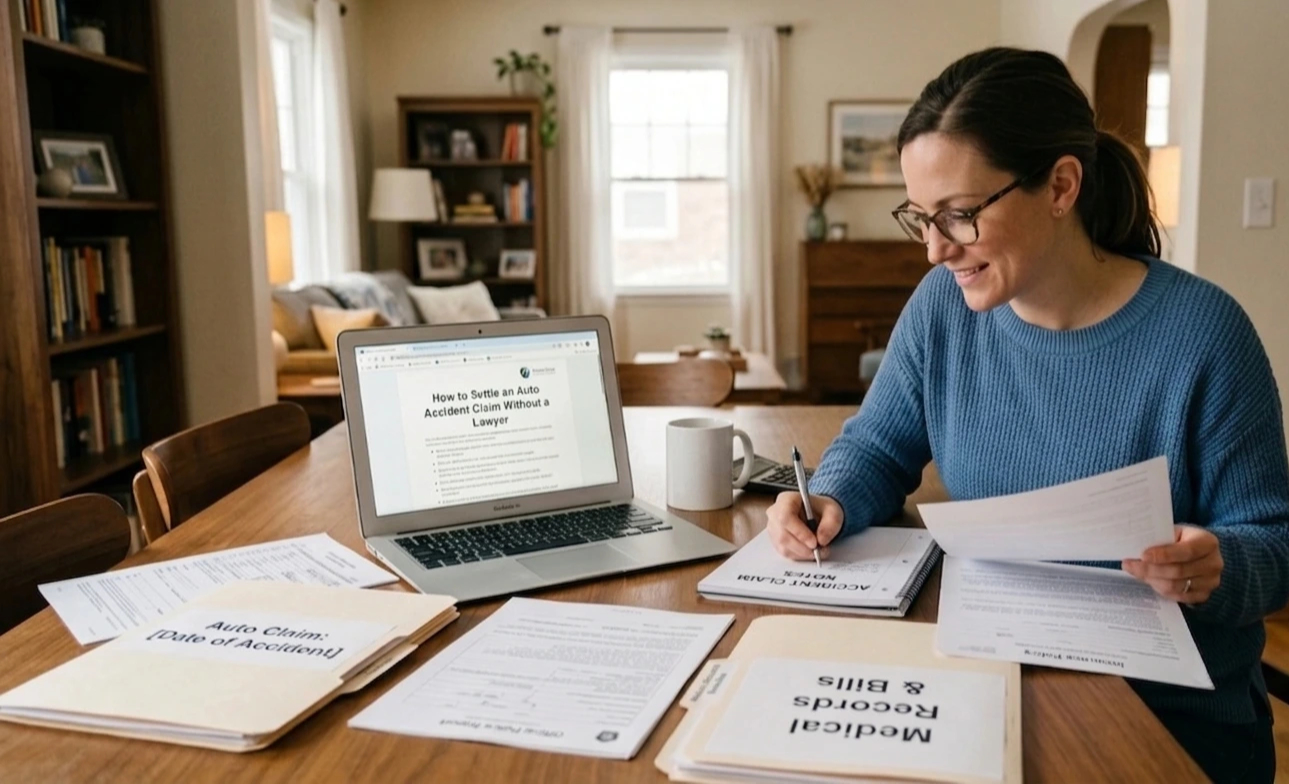
Handling an auto accident claim on your own can feel overwhelming, especially when dealing with insurance companies, medical bills, and settlement negotiations. This step-by-step guide is designed to help drivers settle an accident claim without hiring a lawyer while still protecting their financial interests. You’ll learn exactly how to gather evidence, communicate with insurers, avoid costly mistakes, and negotiate a fair settlement with confidence.
Essential Steps to Settle an Auto Accident Claim Without a Lawyer
Learning how to settle an auto accident claim without a lawyer can help you take control of your situation while avoiding extra legal costs. By understanding the process early, you can confidently manage insurance communications, gather the right evidence, and build a strong claim.
Understanding the accident claim settlement process can also help you stay organized and make informed decisions throughout each stage of your claim. It is important to remain calm and professional when dealing with adjusters, as this can influence how your claim is handled.
Evaluate The Accident Scene
The very first thing you need to do is gather essential information at the accident site. Accurate records from the scene can often be the linchpin in resolving your claim successfully. Ideally, you want to collect evidence while details are fresh in your mind, since this can help streamline the entire process.
- Immediately check everyone’s safety and call for medical assistance if needed.
- Exchange details with the other driver, noting their full name, contact information, and insurance provider.
- Snap photos of all vehicle damage, license plate numbers, and any relevant road or weather conditions.
- If there are eyewitnesses, respectfully request their names and phone numbers. These accounts can later confirm your version of events.
Understand Your Insurance Policy
Once you have left the accident scene, the next step is to understand exactly what your insurance covers. Policies can vary quite a bit, so taking the time to review your specific coverage helps you avoid costly assumptions. Pay close attention to the following:
- Liability coverage: Usually pays for others’ injuries or property damage if you are found at fault.
- Collision coverage: Covers damages to your own vehicle caused by collisions.
- Personal injury protection (PIP) or medical payments: May cover medical expenses regardless of fault, in certain states.
- Uninsured or underinsured motorist coverage: Steps in if the at-fault driver has insufficient insurance.
Gather And Organize Your Evidence
To negotiate a fair settlement, you need to present strong evidence showing the extent of your accident-related losses. Gathering clear evidence for an auto accident claim can strengthen your position during negotiations and help support the compensation you are requesting. Keeping your records organized will give you a head start when you speak with an insurance adjuster. Focus on these items:
- Medical records and bills: Include treatment summaries, diagnoses, and any ongoing therapy costs.
- Repair invoices or vehicle damage estimates: An official mechanic’s estimate can help validate the cost of fixing your car.
- Proof of lost wages: If your injuries forced you to miss work, gather pay stubs or statements from your employer.
- Police reports: Having an official record of the incident can give you an objective overview and timeline.
By presenting well-documented evidence, you demonstrate seriousness about your claim and make it easier for the insurance company to see the necessity of the requested compensation.
Communicate Effectively With Insurance Adjusters
Negotiating on your own requires an understanding of how insurance adjusters operate. Successfully negotiating with insurance adjusters means staying prepared, organized, and calm throughout the process. Their job is to represent the insurance company’s interests, so you should be ready to support your claim with clear evidence and professional communication. Here are a few must-know guidelines:
- Keep written or recorded notes: Document every conversation, including the date, time, and summary of what was discussed.
- Stay polite and professional: Even if questions feel intrusive, answering calmly shows that you are reliable and have nothing to hide.
- Be cautious about initial offers: The first settlement amount proposed is often on the lower side, so be ready to justify your stance with evidence if you turn it down.
By communicating clearly, you set a positive tone and increase the likelihood of reaching a fair settlement faster.
Calculate Your Damages
A major part of handling an auto accident claim on your own is understanding how to accurately calculate your damages. Even without legal experience, you can estimate the value of your claim by carefully organizing records, reviewing expenses, and documenting how the accident has affected your daily life. Most accident-related damages generally fall into two main categories: For general damages, many adjusters apply a multiplier of 1.5x to 3x your special damages depending on injury severity
- Special damages: These are direct financial costs such as medical bills, car repairs, and lost wages. Because they are tangible expenses, you can support them with receipts, invoices, or pay stubs.
- General damages: These relate to less quantifiable harms like pain, suffering, and emotional distress. While harder to calculate, many adjusters use a multiplier method, typically 1.5 to 3 times your special damages, depending on the severity of the injuries. You can support these damages with medical diagnoses, therapy records, and documentation of how the accident has affected your daily life.
Negotiate Your Settlement
Armed with your evidence and a carefully calculated figure, it is time to engage in formal negotiations. Remember that it can sometimes take several rounds of phone calls or emails before you and the insurance adjuster settle on compensation.
- Start slightly higher: If you provide a range, begin at the upper end so you leave room for counteroffers.
- Reference evidence repeatedly: If the company questions your figure, remind them of the specific bills, receipts, or estimates you have collected.
- Know when to compromise: If the insurer makes a realistic counteroffer, weigh it against the time and energy you might save by accepting, especially if the difference is minimal.
Kansas & Missouri Statute of Limitations
In Kansas, most personal injury claims must be filed within two years of the accident date. In Missouri, injured victims generally have five years to file a personal injury lawsuit. Missing these deadlines may prevent you from recovering compensation, so it’s important to speak with a personal injury attorney as soon as possible.
How to Settle an Auto Accident Claim Without a Lawyer Successfully
Handling an auto accident claim on your own can give you more control over the process while helping you avoid unnecessary expenses. With careful organization, solid evidence, and clear communication with the insurance company, you can improve your chances of reaching a fair settlement. While many claims can be managed independently, understanding your legal options and getting guidance when needed can help protect your rights and maximize your potential compensation.
Start Your Claim the Smart Way Today
Take control of your situation and begin your claim with confidence by organizing your documents, understanding your coverage, and negotiating effectively. If you need guidance at any stage,
Empower Injury Law is ready to support you, helping you secure the compensation you deserve without unnecessary stress. Schedule your appointment today to get clear answers and take the next step with confidence.
Frequently Asked Questions
1. What does a lawyer auto accident specialist do for your case?
A lawyer auto accident specialist handles negotiations, gathers evidence, and builds a strong claim to help you secure fair compensation.
2. Should I get a lawyer after an auto accident?
You should get a lawyer after an auto accident if you have serious injuries, disputed liability, or trouble dealing with insurance companies.
3. When to get a lawyer after an auto accident?
You should get a lawyer as soon as possible after an auto accident to protect your rights and preserve important evidence.
4. Who is the best auto accident lawyer?
The best auto accident lawyer is one with proven experience, strong negotiation skills, and a track record of successful case results.
5. Do I need a lawyer for an auto accident?
You may need a lawyer for an auto accident if your injuries are significant, fault is unclear, or the insurance offer is too low.
Key Takeaways
- Document every piece of evidence, from accident photos to medical bills.
- Understand your insurance policy thoroughly so you know what is covered.
- Communicate calmly and professionally with insurance representatives.
- Calculate your damages by separating tangible expenses from intangible losses.
- Leave room for negotiation, but be realistic about compromises.
Author Bio

Kevin A. Jones | Personal Injury Lawyer
Kevin A. Jones, founder and managing attorney of Empower Injury Law, has been practicing law since 2009. With over $25 million in jury verdicts and settlements in his first decade, Kevin has earned a reputation as a fierce advocate for his clients.
Kevin’s approach to law is rooted in his passion for helping people who have been mistreated by corporations, insurance companies, and other powerful entities.
Whether representing individuals wronged by negligent drivers or those injured on someone else’s property, Kevin is dedicated to achieving justice. His extensive experience in the courtroom ensures that clients receive strong, personalized representation that delivers results.
Practice Areas


